


Navigate DUI Checkpoints Near You: Know Your Rights and Steps
Introduction
DUI checkpoints are essential for promoting road safety, yet they can create confusion and anxiety for drivers. Understanding the rights and responsibilities associated with these checkpoints is crucial for drivers, as it empowers them to navigate potentially stressful encounters with confidence and clarity.
To navigate these checkpoints effectively, drivers must understand their rights and responsibilities. This guide will explore what drivers can expect at DUI checkpoints and how to respond appropriately to protect their rights while ensuring compliance with the law.
Define DUI Checkpoints and Their Purpose
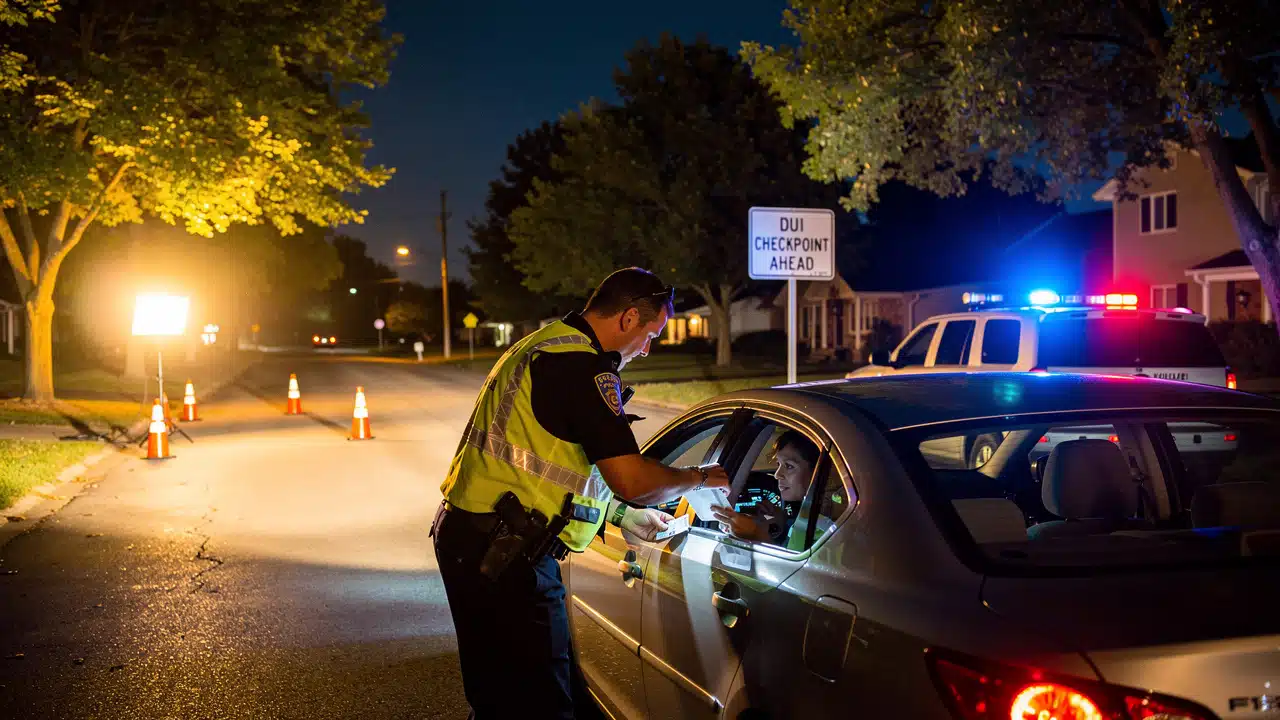
DUI stops, such as a DUI checkpoint near me, serve as critical interventions where law enforcement halts vehicles to assess drivers for impairment. The primary objective of these monitoring points, such as a DUI checkpoint near me, is to prevent intoxicated driving and enhance road safety. By publicly disclosing the locations and schedules of the DUI checkpoint near me, law enforcement aims to deter individuals from driving under the influence. DUI checkpoints near me not only apprehend violators but also raise awareness about the dangers of impaired driving, which directly contributes to reducing alcohol-related incidents and fatalities.
Research indicates that when a DUI checkpoint near me is highly publicized, it can significantly reduce fatal accidents caused by impaired driving, with estimates ranging from 18% to 24%. In 2026, California is expected to conduct numerous DUI inspections, with a DUI checkpoint near me among around 100 locations throughout the year as part of ongoing efforts to combat impaired driving, particularly during busy periods like holidays. The effectiveness of these measures is further amplified when aligned with national high visibility enforcement operations, such as a DUI checkpoint near me, enhancing their reach and impact.
The deterrent effect of a DUI checkpoint near me stems from the increased perception of risk among potential offenders. When individuals recognize the likelihood of encountering a DUI checkpoint near me and being evaluated for impairment, they are less likely to make the reckless choice to drive after consuming alcohol. This heightened awareness plays a crucial role in decreasing alcohol-related accidents and fatalities, especially in relation to a DUI checkpoint near me, as motor vehicle crashes remain the leading cause of death for individuals aged 15 to 20.
Real-world examples underscore the positive impact of a DUI checkpoint near me on road safety. Communities that implement regular alcohol inspections and establish a DUI checkpoint near me often report a decline in alcohol-related incidents, emphasizing the importance of these enforcement actions. The National Highway Traffic Safety Administration notes that ‘the main benefit of sobriety stops, like a DUI checkpoint near me, resides in their deterrent effect,’ which can significantly reduce the number of accidents and associated tragedies. By fostering a culture of accountability, having a DUI checkpoint near me is essential in creating safer roadways and saving lives.

Explore the Legal Framework of DUI Checkpoints
The legality of DUI roadblocks hinges on the U.S. Supreme Court’s ruling in Michigan Department of State Police v. Sitz (1990). This ruling confirmed that DUI roadblocks are constitutional under the Fourth Amendment when executed reasonably. States enforce their own regulations for DUI checkpoints, often requiring public notification and a systematic approach to stopping vehicles. Control points must be clearly marked, and law enforcement personnel are required to follow a defined strategy to minimize disruption for drivers. By grasping these legal standards, individuals can confidently assert their rights during DUI assessments.

Navigate DUI Checkpoints: Step-by-Step Guidance
Approaching a dui checkpoint near me can be a nerve-wracking experience, but knowing how to navigate it can make all the difference.
- Stay Calm: It is crucial to maintain your composure as you approach the checkpoint. Anxiety can cloud your judgment, leading to potential missteps.
- Follow Instructions: Listen carefully to the officers’ directions. They will typically ask for your driver’s license, registration, and proof of insurance.
- Limit Your Responses: Limit your responses to essential information, as you are not obligated to answer questions beyond identifying yourself. Politely decline to answer questions about where you are coming from or going.
- Know Your Rights: Understanding your rights, including the ability to remain silent and decline field tests, is vital; however, be aware that refusing a breathalyzer may lead to legal repercussions.
- Document the Encounter: If possible, document the encounter to protect your interests. Recording the interaction can provide evidence if any issues arise later.
- Seek Legal Counsel: If arrested, it is imperative to request legal counsel immediately to protect your rights. Do not make statements without legal representation.
Recognizing that sobriety inspections are conducted in 38 states and the District of Columbia, with 97% of state patrol agencies indicating their implementation, can help you prepare for situations involving a dui checkpoint near me. Understanding your rights can significantly impact the outcome of your interaction with law enforcement. The main objective of these locations is to discourage alcohol consumption and operating a vehicle by raising the perceived likelihood of apprehension, which is why being informed and understanding your rights is essential. Being prepared and informed can ultimately safeguard your rights and ensure a smoother encounter.

Understand the Consequences of DUI Checkpoints
Facing a DUI inspection can lead to severe legal repercussions, especially if found under the influence. In California, a DUI conviction can lead to severe penalties, with fines potentially exceeding $10,000 when legal fees and other costs are included. Additionally, a DUI conviction typically results in a license suspension, lasting from several months to years, depending on the circumstances of the offense.
A DUI charge carries immediate legal repercussions and leaves a permanent mark on your driving record. This can profoundly impact your insurance rates, as insurers often increase premiums for drivers with DUI convictions. In fact, a DUI can lead to a 20% to 30% increase in insurance costs, and some insurers may even refuse coverage altogether.
Concrete examples show that encounters at a DUI checkpoint near me can lead to criminal charges, even if the initial stop does not result in an arrest. Individuals may face charges based on field sobriety tests or breathalyzer results, escalating the situation rapidly.
The stress and anxiety from a DUI stop can linger long after the encounter, even if charges are not filed. Understanding these potential consequences is essential for navigating a DUI checkpoint near me with awareness and caution, ensuring that drivers are prepared for the legal landscape surrounding DUI offenses.

Conclusion
DUI checkpoints are not just a law enforcement measure; they are a critical component in the fight against impaired driving and the promotion of public safety. Understanding the purpose of DUI checkpoints equips individuals to navigate encounters with law enforcement confidently and assert their rights effectively.
This article has outlined crucial insights, including:
- The legal framework of DUI checkpoints
- Essential steps for drivers
- The serious consequences of a DUI charge
It is vital for individuals to be aware of their rights and responsibilities, as well as the legal implications that can arise from interactions at these checkpoints. Well-publicized DUI checkpoints play a vital role in reducing alcohol-related incidents, reinforcing the importance of public awareness in road safety.
Being prepared and informed about DUI checkpoints not only boosts your personal safety but also plays a part in the larger mission of making our roads safer for everyone. Understanding the intricacies of DUI checkpoints empowers drivers to make informed decisions, ultimately fostering a safer community for everyone.
Frequently Asked Questions
What are DUI checkpoints and their primary purpose?
DUI checkpoints are locations where law enforcement stops vehicles to assess drivers for impairment. Their primary purpose is to prevent intoxicated driving and enhance road safety.
How do DUI checkpoints deter impaired driving?
By publicly disclosing the locations and schedules of DUI checkpoints, law enforcement aims to deter individuals from driving under the influence, as potential offenders are more aware of the likelihood of being stopped.
What impact do DUI checkpoints have on alcohol-related incidents?
Research indicates that highly publicized DUI checkpoints can significantly reduce fatal accidents caused by impaired driving, with estimates of reduction ranging from 18% to 24%.
How many DUI checkpoints are expected to be conducted in California in 2026?
In 2026, California is expected to conduct around 100 DUI inspections as part of ongoing efforts to combat impaired driving, especially during busy periods like holidays.
What is the effect of national high visibility enforcement operations on DUI checkpoints?
The effectiveness of DUI checkpoints is amplified when aligned with national high visibility enforcement operations, enhancing their reach and impact on road safety.
Why is the perception of risk important in reducing impaired driving?
The deterrent effect of DUI checkpoints stems from the increased perception of risk among potential offenders, making them less likely to drive after consuming alcohol.
How do DUI checkpoints contribute to community safety?
Communities that implement regular DUI checkpoints often report a decline in alcohol-related incidents, emphasizing the importance of these enforcement actions in creating safer roadways.
What does the National Highway Traffic Safety Administration say about the benefits of sobriety stops?
The National Highway Traffic Safety Administration states that the main benefit of sobriety stops, like DUI checkpoints, lies in their deterrent effect, which can significantly reduce the number of accidents and associated tragedies.