


DUI Refusal in Los Angeles County: Understand Your Rights and Options
Introduction
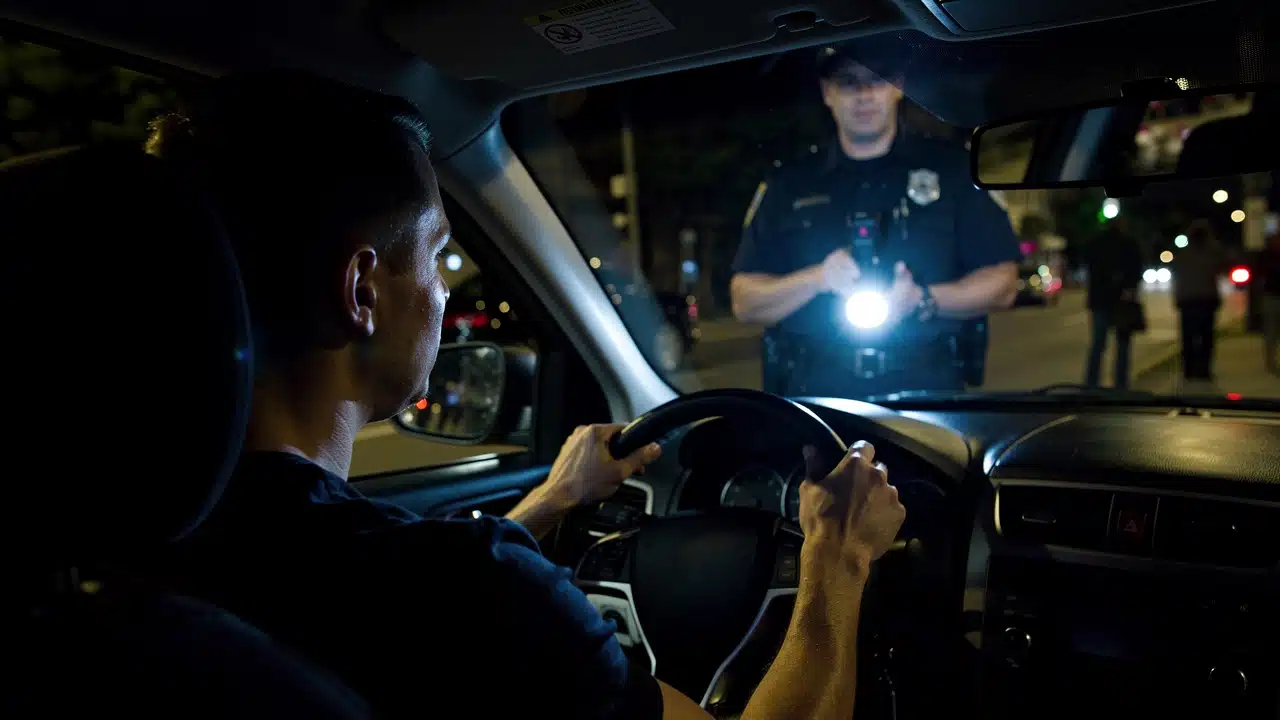
Navigating the legal implications of DUI refusal in Los Angeles County is essential for drivers facing traffic stops. The consequences of refusing a chemical test are significant, including automatic license suspensions and heightened penalties that can affect individuals for years. This fear often leads to confusion about rights, which can result in poor decision-making. This article clarifies the rights and options that drivers must understand, while highlighting the pivotal decisions that can shape a driver’s future in the face of such charges.
Define DUI Refusal and Its Legal Implications in California
In California, a DUI refusal in Los Angeles County after a chemical test can result in immediate and severe consequences. DUI refusal in Los Angeles County occurs when a driver, who has been lawfully arrested for driving under the influence, declines to submit to a chemical test, such as a breath or blood test. According to California Vehicle Code Section 23612, drivers are considered to have given ‘implied consent‘ to these tests upon operating a vehicle.
Refusing a chemical test can result in immediate and severe consequences, such as:
- Losing your driving privileges
- Serving as compelling evidence of guilt in court, potentially leading to more severe sentencing if convicted of DUI
For instance, a first DUI offense can lead to:
- A six-month license suspension
- Fines up to $1,000
- Up to six months in jail
Understanding these implications is crucial for anyone facing DUI refusal in Los Angeles County charges, as it directly influences their legal strategy and potential outcomes. Recent amendments to DUI laws have further clarified these penalties, reinforcing the importance of legal representation in navigating these complex issues.

Explore Common Scenarios Leading to DUI Refusal
Understanding the common scenarios that lead to DUI refusals is crucial for informed decision-making during traffic stops.
- Confusion During a Traffic Stop: Drivers often lack clarity about their rights and the consequences of refusing a test. This lack of clarity often leads to impulsive decisions that can have serious legal repercussions. In 2024, approximately 804,926 people were arrested for DUI, indicating a significant prevalence of such incidents. Overwhelmed by the situation, many individuals hesitate to comply with testing requirements.
- Fear of Consequences: Many individuals fear that submitting to a test will result in a DUI charge, prompting them to refuse. This fear is intensified by the awareness that a first-time DUI offense can result in expenses surpassing $10,000 in fines and attorney fees, as pointed out by DUI defense specialists.
- Misunderstanding of Implied Consent: Drivers often fail to recognize that operating a vehicle constitutes implicit consent to testing under California law. Such misunderstandings can lead to severe legal ramifications that individuals may not anticipate.
- Medical Conditions: Drivers with specific medical issues may feel unable to complete sobriety tests, resulting in a decline. For instance, conditions affecting coordination or cognitive function can hinder their ability to comply with testing requirements.
- Advice from Others: Individuals may be influenced by friends or family who counsel against taking the test, mistakenly believing that not participating will help avoid charges. This external pressure can cloud judgment at a critical moment.
Recognizing these scenarios empowers individuals to navigate DUI stops with greater awareness and confidence.

Understand the Consequences of Refusing a DUI Test
Every driver must understand that a DUI refusal in Los Angeles County leads to serious consequences. Consulting a qualified DUI attorney, such as those at Trivino Perez & Associates, is crucial:
- Automatic License Suspension: A first denial results in an automatic one-year suspension of the driver’s license. You cannot obtain a restricted license during this period. You can contest this suspension in court or at a DMV hearing, which highlights the importance of having legal representation for issues related to DUI refusal in Los Angeles County.
- Increased Penalties: If subsequently convicted of DUI, the noncompliance can be used against the driver in court, potentially leading to harsher sentencing outcomes. A skilled attorney can help mitigate these risks.
- Compulsory jail time resulting from a DUI refusal in Los Angeles County can increase a minimum of 48 hours in prison to any DUI sentence, compounding the judicial consequences. Recognizing this can decisively shape your choices during the stop.
- Higher Fines and Fees: Individuals may face increased fines and additional costs related to DUI programs and the reinstatement of their license, further straining their finances. A skilled attorney will help you navigate these financial burdens effectively.
- Impact on Future Cases: A DUI refusal in Los Angeles County can adversely affect plea negotiations and the overall strategy in any future DUI cases, making it crucial to understand these implications. Consulting with Trivino Perez & Associates can provide clarity and direction in these situations.
Additionally, it’s important to note that administrative penalties may apply, and inaccuracies in breathalyzer readings due to calibration errors or the influence of certain products, such as mouthwash, can complicate the situation. Being aware of these repercussions can significantly impact your choices during a DUI encounter.

Identify Legal Options After a DUI Refusal
After a DUI refusal, individuals face critical decisions that can shape their future:
- Request a DMV Hearing: Drivers can contest the automatic license suspension by requesting a hearing within 10 days of the arrest. This hearing allows them to challenge the stop’s legality and the denial related to the dui refusal in los angeles county, as the DMV’s evidence must meet a strict legal standard for suspension.
- Consult a DUI Defense Attorney: Engaging a knowledgeable attorney from Trivino Perez & Associates can provide essential guidance on the best course of action. Skilled attorneys can identify weaknesses in the DMV’s case related to dui refusal in los angeles county, such as challenging the reliability of breathalyzer results and the legality of the traffic stop, which can decisively impact the hearing’s outcome.
- Explore Plea Bargaining: In certain situations, it may be feasible to negotiate a plea deal that lessens the charges or penalties related to the denial. However, accepting a plea bargain may have long-term consequences on one’s record and future opportunities, especially in cases of dui refusal in los angeles county, making it essential to weigh this option carefully.
- Challenge the Denial in Court: If charged with DUI, individuals can contest the denial allegation, arguing that it was not a genuine denial or that they were not properly informed of their rights. Demonstrating procedural errors during the arrest can strengthen their defense in a case involving dui refusal in los angeles county.
- Participate in DUI Programs: Completing a DUI program may help in negotiating reduced penalties or demonstrating a commitment to responsible behavior. This step shows the court and DMV that you’re serious about making responsible choices.
Neglecting to act swiftly can result in automatic license suspension, disrupting daily routines. With California’s recent legislative changes, such as AB 1546, which extends penalties for repeat DUI offenses, individuals are encouraged to stay informed and seek professional legal assistance from Trivino Perez & Associates to navigate the complexities of dui refusal in los angeles county. Additionally, with a life lost every 43 minutes in California due to alcohol-impaired driving, the stakes are high for those facing DUI refusals. Understanding these legal avenues is not just beneficial; it is essential for safeguarding one’s future.

Conclusion
Navigating the legal landscape after a DUI arrest requires a clear understanding of the implications of refusing a chemical test. The consequences of such a refusal can be severe, impacting driving privileges and leading to harsher penalties upon conviction. Implied consent under California law underscores the necessity of making informed decisions during traffic stops.
Throughout this article, we explored key scenarios that lead to DUI refusals, highlighting how confusion, fear, and misunderstandings can drive individuals to make choices that jeopardize their future. Refusing a DUI test results in automatic license suspension, increased penalties, and the potential for more severe sentencing. Legal options available after a refusal, such as requesting a DMV hearing or consulting with a qualified attorney, can significantly influence the outcome of a case.
Ultimately, awareness of one’s rights and options is essential in navigating the aftermath of a DUI refusal. Consulting with legal professionals is essential to safeguard against the long-term consequences of a DUI refusal. Informed decisions during traffic stops can mean the difference between a manageable outcome and severe legal repercussions.
Frequently Asked Questions
What is DUI refusal in California?
DUI refusal in California occurs when a driver, who has been lawfully arrested for driving under the influence, declines to submit to a chemical test, such as a breath or blood test.
What does “implied consent” mean in the context of DUI in California?
“Implied consent” means that drivers are considered to have given consent to chemical tests upon operating a vehicle, as outlined in California Vehicle Code Section 23612.
What are the immediate consequences of refusing a chemical test in Los Angeles County?
Immediate consequences of refusing a chemical test can include losing driving privileges and the refusal serving as compelling evidence of guilt in court, which may lead to more severe sentencing if convicted of DUI.
What are the potential penalties for a first DUI offense in California?
A first DUI offense can result in a six-month license suspension, fines up to $1,000, and up to six months in jail.
Why is it important to understand the implications of DUI refusal charges?
Understanding the implications of DUI refusal charges is crucial as it directly influences a person’s legal strategy and potential outcomes in court.
Have there been any recent changes to DUI laws in California?
Yes, recent amendments to DUI laws have clarified the penalties associated with DUI refusal, highlighting the importance of legal representation in navigating these complex issues.